BackChina Life

China Life

Hong Kong sto
2026-09-10 04:14:42

Hong Kong stocks slipped in morning trade, with Hang Seng down 1.29%

Hong Kong stocks traded lower in the morning session, according to market data cited by ChainCatcher from Gate. The Hang Seng Index closed the morning down 1.29%, while the Hang Seng Tech Index fell 2.07%. Market turnover reached HK$105.86 billion. Sector moves were mixed. Application software and power equipment shares saw a pullback, while printing and packaging and storage-related names led gains. Among individual stocks, Zhipu fell nearly 8%, MiniMax dropped nearly 7%, and NIO declined nearly 5%. Alibaba and Meituan both lost more than 3%. On the upside, China Unicom rose more than 2.5%, while China Life Insurance and Hua Hong Semiconductor each gained 2%.

690
Hong Kong stocks slipped in morning trade, with Hang Seng down 1.29%
Bitcoin
2026-09-07 09:53:10

Bitcoin Falls Back to the $77,000 Zone as CPI Data and a Moving-Average Golden Cross Come Into Focus

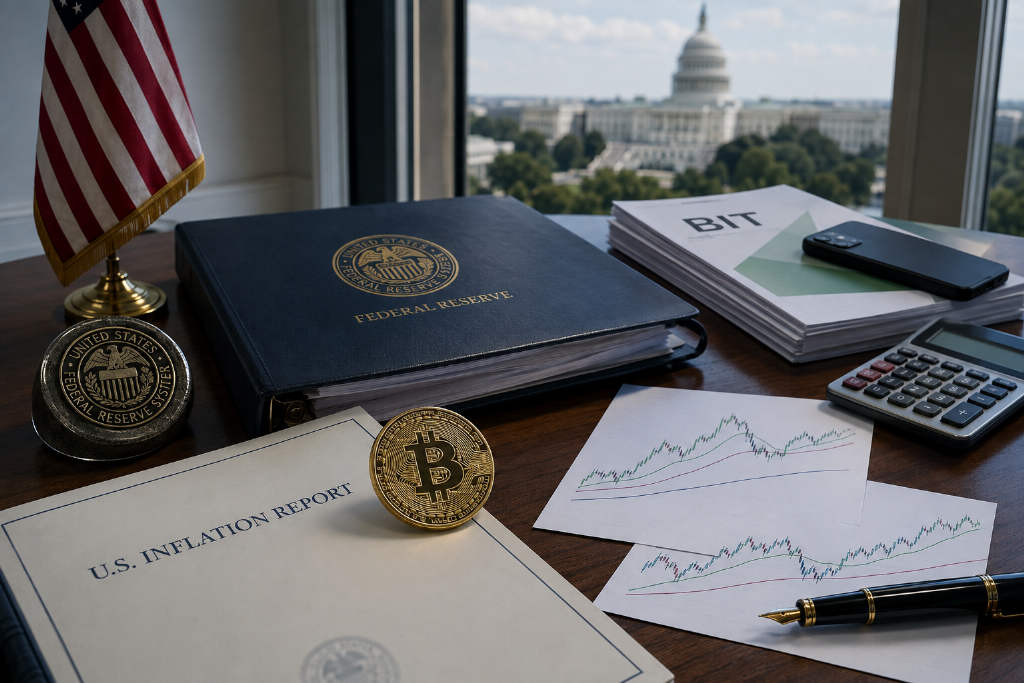
Bitcoin lost the $80,000 level after stronger-than-expected U.S. payrolls data pushed rate-hike expectations higher and sent Treasury yields up, but the pullback remained smaller than in prior macro-driven selloffs. The report says BTC briefly traded near $82,000 after dovish comments from Federal Reserve Governor Christopher Waller, then retreated toward $79,500 after August nonfarm payrolls came in at 162,000, close to three times market expectations. The probability of a rate hike rose to about 60%, while the 2-year U.S. Treasury yield climbed to 4.41%, the highest since January 2025. At the same time, spot Bitcoin ETF flows stayed supportive. U.S. spot Bitcoin ETFs recorded roughly $987 million in net inflows last week, marking a third straight week of positive flows and around $3.8 billion over the past three weeks, the strongest three-week run of 2026. The piece highlights resistance around the 50-week moving average and the $82,000 to $84,000 range, with support seen between $77,000 and $78,750. BIT Asset Management’s Daniel YU said the expected 50-day and 200-day moving-average golden cross around Sept. 11 will coincide with the release window for August CPI, making this week’s CPI and PPI data central to pricing ahead of the Sept. 15-16 Federal Reserve meeting.

1430
Bitcoin Falls Back to the $77,000 Zone as CPI Data and a Moving-Average Golden Cross Come Into Focus
PANews
2026-09-07 02:05:00

Crypto and market updates from Sept. 6-7: ARB supply debate, Harmony migration plan, and Liquid Network incident

A broad set of developments landed between Sept. 6 and Sept. 7 across crypto, AI, and traditional finance. PANews’ roundup included a roughly 360 billion yuan capital replenishment plan announced by eight central financial institutions in China, as well as a clarification from Offchain Labs co-founder Steven Goldfeder, who said the portion of ARB still locked will fall to about 7.7% of total supply after current investor and team unlocks finish in March next year. He added that about 2.84 billion ARB is held by the Arbitrum DAO treasury and should not be treated as conventional locked supply. The update also covered protocol revenue rankings from DefiLlama, with Pons and Fomo posting higher 24-hour revenue than Hyperliquid, and Token Unlocks data showing large scheduled releases next week for APT, LINEA, CHEEL, and PEAQ. Elsewhere, Harmony proposed shutting down its mainnet launched in 2019, migrating ONE to Ethereum, and shifting toward an AI video remix business. The proposal includes wallet and staking snapshots, validator compensation, and a 2026 deadline for users to exit smart contracts that cannot be migrated. Other items included withdrawal complaints involving WOO X, a renewed public exchange between Solana co-founder Toly and Goldfeder over sequencer design and hidden transaction costs, a security incident at Liquid Network involving about 4,000 BTC, sharp declines in several Robinhood ecosystem meme tokens, and comments from Senator Cynthia Lummis that failure to pass the Clarity Act in the current Congress could delay another real chance at market structure legislation until 2030.

1270
Crypto and market updates from Sept. 6-7: ARB supply debate, Harmony migration plan, and Liquid Network incident
US inflation
2026-08-27 04:54:09

Hotter U.S. PCE revives rate-hike bets as Nvidia earnings steady the AI trade

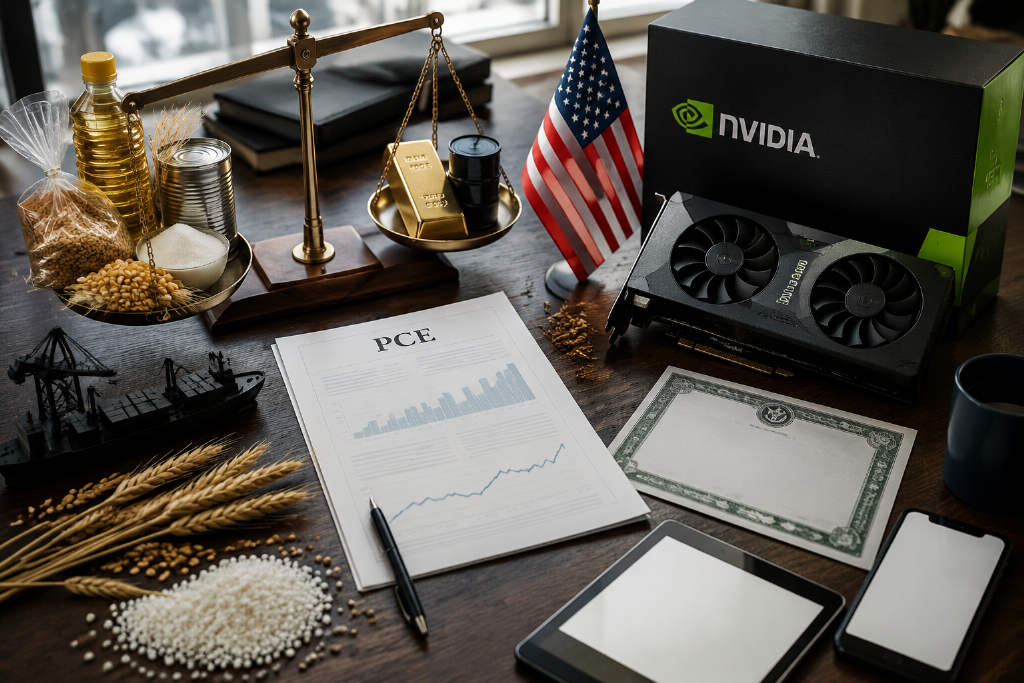
U.S. markets turned cautious after July personal consumption expenditures data came in hotter than expected, pushing traders to lift bets on additional Federal Reserve tightening. The report showed headline PCE rising 3.7% year over year and 0.2% month over month, while core PCE stayed at 3.3% annually and 0.2% monthly. Treasury yields moved higher across the curve, with the 10-year near 4.66%, the 2-year around 4.22%, and the dollar index climbing to roughly 99.15. Gold fell under pressure from a firmer dollar and higher rate expectations, while oil traded weaker as rhetoric around Iran kept geopolitical risk in focus. Another inflation thread is building in food markets. Attacks on Black Sea ports cut Ukraine’s August grain shipments to about 20% of potential capacity, wheat futures on CBOT touched their highest level in nearly three years, and fertilizer supply disruptions tied to Hormuz added to cost pressure. HSBC warned that the 2026/27 global grain market could post its first supply-demand gap since 2020/21 and the largest shortage since 2006/07, while JPMorgan said global food inflation could rise from 2.8% in the first half of 2026 to 5% in the first half of 2027. After the bell, Nvidia delivered the day’s biggest market jolt. The chipmaker reported $96.2 billion in Q2 revenue and $89.0 billion from data center sales, both well ahead of expectations, and guided for about 70% revenue growth in fiscal 2028. The results helped revive AI spending sentiment and lifted software, storage, optical networking, and cybersecurity names in after-hours trading.

1210
Hotter U.S. PCE revives rate-hike bets as Nvidia earnings steady the AI trade
Policy and Re
2026-08-24 05:03:10

Iran sanctions details due Monday as Nvidia server prices may rise more than 15% next year

PANews’ latest Wall Street morning briefing tracks several market threads moving at once: U.S. August composite PMI came in above expectations and lifted the major indexes on Friday, yet the weekly trend remained soft. Long-dated Treasury yields stayed near the top of their one-year range, while Bridgewater founder Ray Dalio warned that a U.S. debt crisis could emerge within one to five years if deficits and debt keep worsening. Another focal point is U.S. Treasury Secretary Bessent’s plan to release detailed Iran sanctions during Monday trading hours. According to the report, the package targets purchases of Iranian oil, money transfers and ship-to-ship transfers through secondary sanctions. In parallel, the AI trade is facing a cost test: some of Nvidia’s largest customers were told that servers using Nvidia AI chips could cost more than 15% extra next year because of surging memory chip prices. The article also reviews sharp stock moves. Tesla rose 5.14% and led the “Magnificent Seven” after Nevada approved Robotaxi operations in Las Vegas involving Tesla, Waymo and Uber. Alibaba dropped after announcing an HK$80 billion placement to fund AI expansion. Crypto-related stocks moved higher as Bitcoin approached $80,000 and expectations for liquidity and crypto-friendly policy improved.

1290
Iran sanctions details due Monday as Nvidia server prices may rise more than 15% next year
ChangXin Tech
2026-08-04 12:24:08

Who backed ChangXin Technology to its blockbuster listing? Hefei state capital, follow-on investors and Zhu Yiming stand out

ChangXin Technology made its STAR Market debut on July 27 and immediately reached a market value of RMB 3 trillion, making it the most valuable listed company in China’s A-share market and the largest technology company ever listed there by market capitalization. The story behind that listing is not a single investor win. It is the result of a decade-long funding chain that started with Hefei state-owned capital, expanded through nine financing rounds from 2018 to June 2025, and eventually involved 60 pre-IPO shareholders plus 30 strategic investors at the IPO stage. According to the report republished by MarsBit from the WeChat account Dushuyizhi, Hefei state capital emerged as the biggest financial winner, holding about 22.138 billion shares, or roughly 33.1% of the company, through several entities after the offering. Based on the first-day closing price of RMB 49 per share, that stake was worth RMB 1.08476 trillion. The report said that figure is roughly 70% of Hefei’s 2025 GDP of about RMB 1.421 trillion. The report also highlighted the role of founder Zhu Yiming and the management team, whose holdings approached RMB 98.6 billion on the first trading day, with Zhu’s personal stake valued at RMB 77.9 billion. External investors also posted outsized gains. Alibaba-related entities held more than 3.013 billion shares in total, valued at RMB 147.6 billion at the first-day close. Behind the listing, the report described three core forces: Hefei state capital, relay financing from state, industrial and insurance investors, and a founder-led operating team under a no-controlling-shareholder governance structure.

2370
Who backed ChangXin Technology to its blockbuster listing? Hefei state capital, follow-on investors and Zhu Yiming stand out
STAR 50
2026-07-23 02:13:34

Star 50 ETF Draws Record $2 Billion as Chinese Investors Buy the Dip

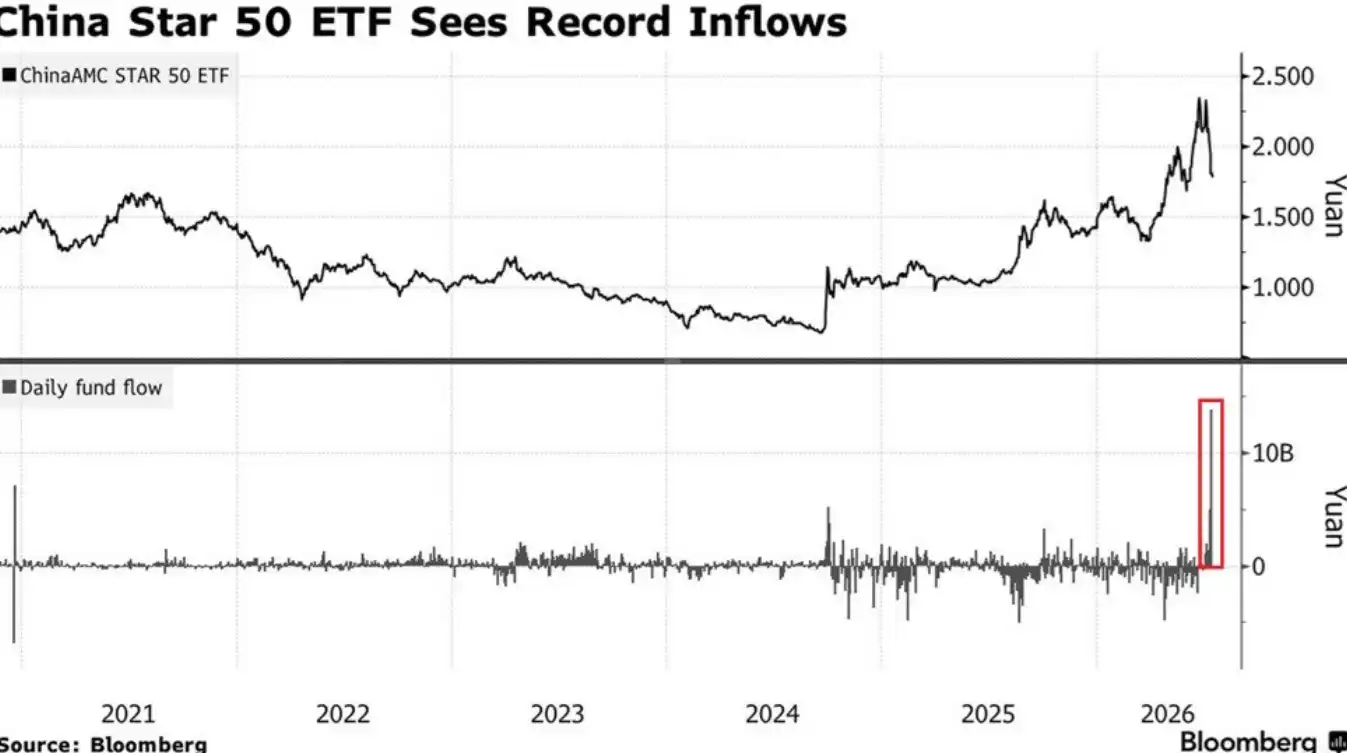
Chinese investors poured a record $2 billion into the Star 50 ETF on Monday, according to Bloomberg data, marking the strongest single-day inflow for the product since December 2020. The fund tracks China’s STAR 50 Index, and the heavy buying came as investors moved to buy after a sharp pullback. The inflow helped push the STAR 50 Index up 11% on Tuesday, its biggest one-day gain in nearly two years. The rebound followed a 17% decline in the previous week, when the index was hit by leveraged liquidations. Bloomberg data also showed broader support for Chinese equities. At least five of China’s largest insurers have pledged to raise their stock market exposure. China Life alone has bought more than $1.5 billion worth of stocks and funds. The moves point to a notable wave of institutional buying alongside retail and fund inflows into the STAR 50-linked product.

1280
Star 50 ETF Draws Record $2 Billion as Chinese Investors Buy the Dip
China Life
2026-07-22 11:42:07

Why China Life Sold GigaDevice: a disciplined rebalance behind a 682 million yuan exit

China Life Insurance said eight of its asset-management accounts sold about 1.1097 million shares of GigaDevice Semiconductor, cashing out roughly 682 million yuan in a trade completed on July 8 at prices between 611.46 yuan and 624.61 yuan per share. The sale came after GigaDevice had already fallen about 30% from its July 1 intraday record high of 843.38 yuan, following a sharp rally that had taken the stock from around 55 yuan in 2024 to one of the most crowded names in China’s semiconductor trade. The insurer described the move as a routine investment action based on portfolio allocation needs. On the same day it disclosed the reduction, China Life also said its asset arm had posted more than 10 billion yuan of net purchases in A-share and listed and over-the-counter equity funds, targeting broad-based ETFs and sectors tied to modern industrial systems and new quality productive forces. The article places those two actions in the same framework: tactical profit-taking in a single stock and strategic accumulation of equities at the portfolio level. It also links China Life’s move to a wider practice among long-term institutional investors, citing examples from BlackRock, Vanguard, Norway’s GPFG and CalPERS to argue that rebalancing is a standard discipline used to bring portfolios back to target risk exposures rather than a directional call on one asset.

1350
Why China Life Sold GigaDevice: a disciplined rebalance behind a 682 million yuan exit